Lu Brocade
Introduction
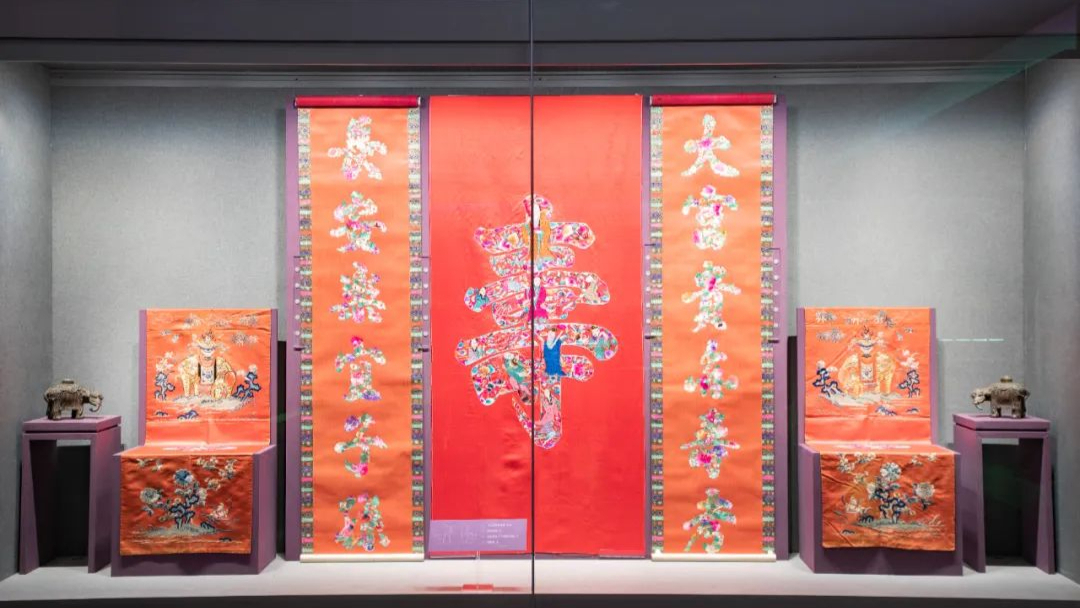
Lu brocade, also known as Lujin, is a traditional hand-woven jacquard cotton textile originating from southwestern Shandong province, China. Renowned for its vibrant patterns and intricate designs, Lu brocade is one of the five most famous brocades in China, alongside Yunjin brocade from Nanjing, Shu brocade from Sichuan, Song brocade from Suzhou, and Zhuang brocade from Guangxi. Unlike the other brocades, which are made of silk, Lu brocade is uniquely crafted from cotton, making it both distinctive and practical. It is celebrated as a representation of Shandong's folk culture and arts, symbolizing the accumulation of splendid culture and the crystallization of folk wisdom. Recognized as a national-level intangible cultural heritage in 2008, Lu brocade continues to thrive as a testament to China's rich textile heritage.
History
The origins of Lu brocade can be traced back to the Spring and Autumn Period (770-476 BC). Its development was closely tied to the introduction of herbaceous cotton into the Central Plains of China after the Eastern Han Dynasty (25-220). Over centuries, Lu brocade evolved into a daily necessity for commoners, reflecting the practical and artistic needs of the people. During the Ming Dynasty (1368-1644), Lu embroidery, a branch of Lu brocade, gained prominence under the craftsmanship of Zhang Zhenxi, who established the dyeing workshop "Fuxingyuan." This workshop became famous for customizing embroideries for the empress dowager, earning the name "Han Chinese Textile Embroidery." The popularity of Lu brocade reached its peak during Emperor Qianlong's rule in the Qing Dynasty (1644-1911).
In modern times, efforts to preserve and promote Lu brocade have been spearheaded by dedicated practitioners like Hao Qiuxia and Zhang Haifeng. Hao Qiuxia founded the Chunqiuyuan Lu Brocade Museum in Jiaxiang county in 2015, transforming her ancestral house into a hub for cultural heritage. Zhang Haifeng, a sixth-generation inheritor of Han Chinese Textile Embroidery, established her own company in 2005 to engage in handmade weaving and embroidery. Her innovative approach combines traditional craftsmanship with modern design elements, ensuring the continued relevance of Lu brocade in contemporary society.
Production Techniques
Materials
Lu brocade is crafted from pure cotton, which distinguishes it from other famous brocades made of silk. The use of cotton not only makes Lu Brocade more accessible but also imbues it with a unique texture and comfort. The cotton threads are dyed in vibrant colors, with artisans utilizing 22 basic colors to create intricate patterns. The selection of high-quality cotton ensures the durability and aesthetic appeal of the final product.
Weaving Process
The production of Lu brocade involves a meticulous and labor-intensive process, encompassing a total of 72 steps. Ancient artisans demonstrated exceptional skill in weaving more than 1,900 different patterns using the interweaving of colorful threads. The weaving process begins with spinning cotton into yarn on a spinning wheel, followed by the intricate task of weaving fabric on a loom. Each step requires precision and expertise, reflecting the dedication and craftsmanship of the artisans.
Patterns and Designs
The patterns and designs of Lu brocade are inspired by auspicious motifs from daily life and ancient totems. These designs often carry symbolic meanings, such as good fortune, peace, and joy. Common motifs include flowers like peonies, plum blossoms, and orchids, which represent noble qualities and good wishes. The vibrant colors and intricate patterns showcase the creativity and artistic expression of the artisans, making each piece of Lu brocade a work of art.
Cultural Significance
Lu brocade holds profound cultural significance as a representation of Shandong's folk culture and arts. It embodies the wisdom and creativity of ancient Chinese artisans, serving as a bridge between tradition and modernity. The intricate craftsmanship and symbolic patterns reflect the values and aspirations of the people, making Lu brocade a cherished cultural heritage. It has also played a role in preserving traditional Chinese clothing, such as hanfu, which has seen a resurgence in popularity in recent years. Lu brocade-made hanfu offers a glimpse into the attire of common people in ancient China, adding depth to the understanding of Chinese history and culture.
Modern Applications
In contemporary society, Lu brocade has found new applications in various fields, thanks to the innovative efforts of practitioners like Hao Qiuxia and Zhang Haifeng. Hao's museum offers hands-on courses on techniques associated with Lu brocade weaving and hanfu-making, attracting students and enthusiasts of traditional Chinese cultural heritage. Zhang Haifeng has introduced modern design concepts into her embroidery work, incorporating elements like 3D objects and drawing inspiration from other types of embroidery, such as Su Embroidery and Shu Embroidery. Her creations feature dignified colors, realistic images, and perfect stitching, blending tradition with modernity.
Lu brocade has also been used to create functional items like health hammers, which are wrapped in tea powder and cassia seeds for tapping and massaging acupoints. These innovative applications demonstrate the versatility and enduring appeal of Lu brocade in modern life. Additionally, training programs organized by Zhang Haifeng have empowered local housewives in Liangshan county to learn embroidery skills, enabling them to contribute to the preservation of this cultural heritage while earning an income from home.
Through exhibitions, workshops, and collaborations, Lu brocade continues to captivate audiences worldwide, showcasing the timeless beauty and cultural significance of this ancient craft. As a symbol of China's rich textile heritage, Lu brocade remains a source of inspiration and pride for generations to come.








